Photographic Tapestries:
Native Waters
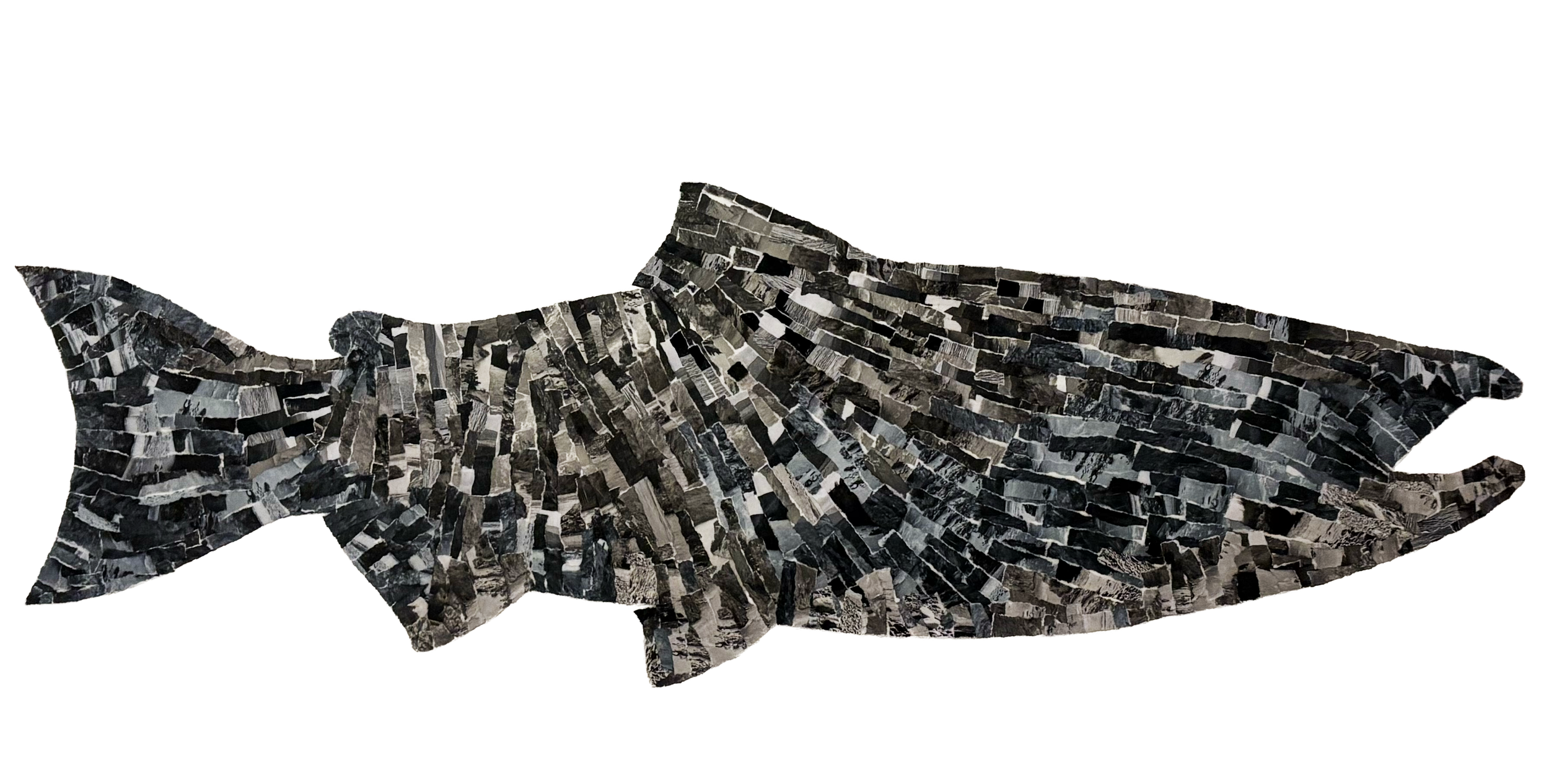
This project documents waterways using a 35mm camera and black-and-white film, capturing photographs that are later pieced together into large-scale collages of native fish from specific regions. I collaborate with fly fishing guides, who take me onto the water and share their knowledge and experiences, shaping each piece through a deeper understanding of the places they call home. These collaborations, along with a personal connection to each place, are an integral part of what makes every work unique.
What began as an exploration of conservation and the unique character of each waterway has evolved into an ongoing body of work. By piecing together each fish from photographs made within its own environment, the work invites viewers to see these watersheds as interconnected systems, encouraging a deeper appreciation for the places and life they support.
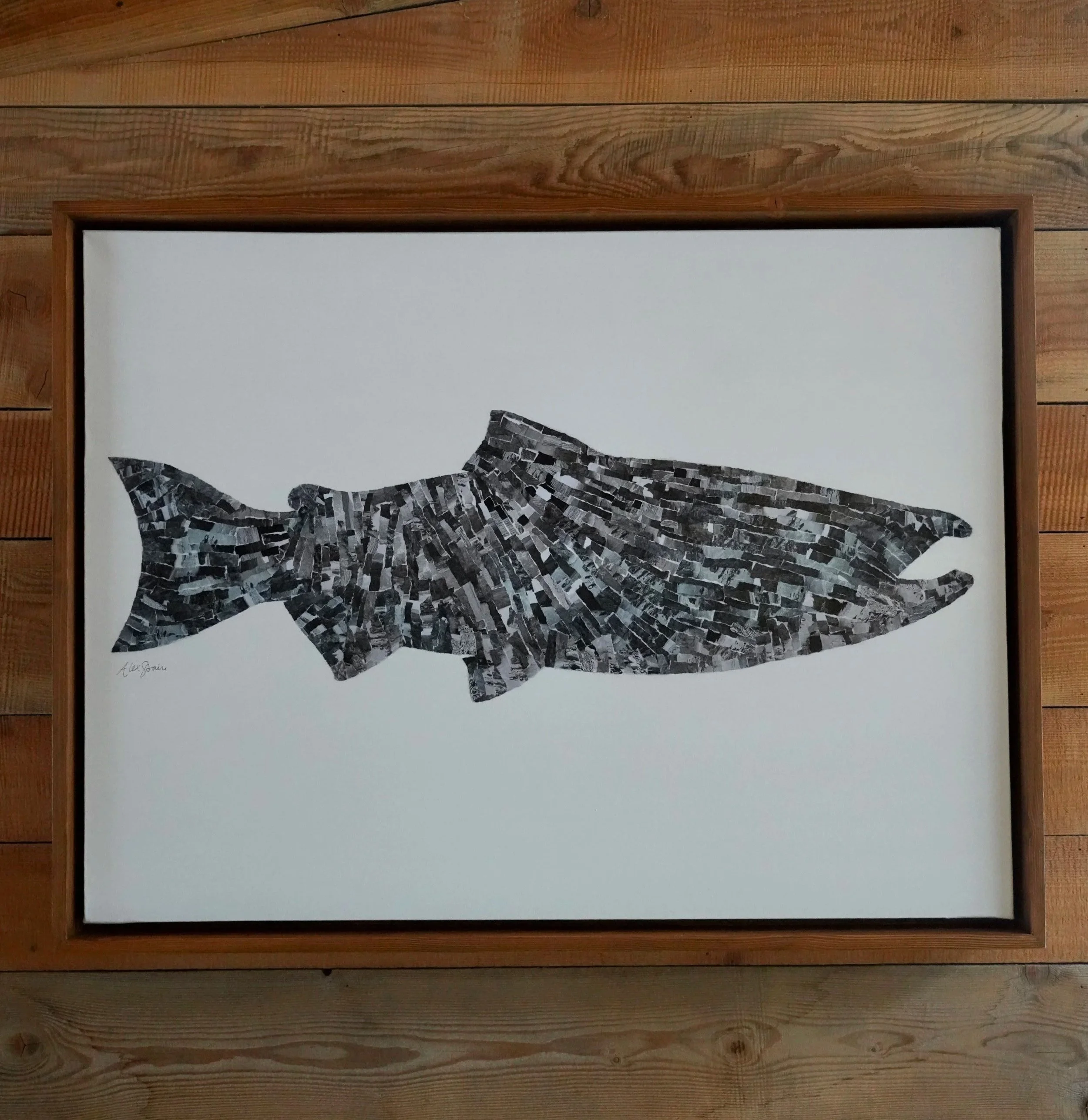
King Salmon, Telegraph Creek, BC 30×40” on canvas
The Shape Of Water
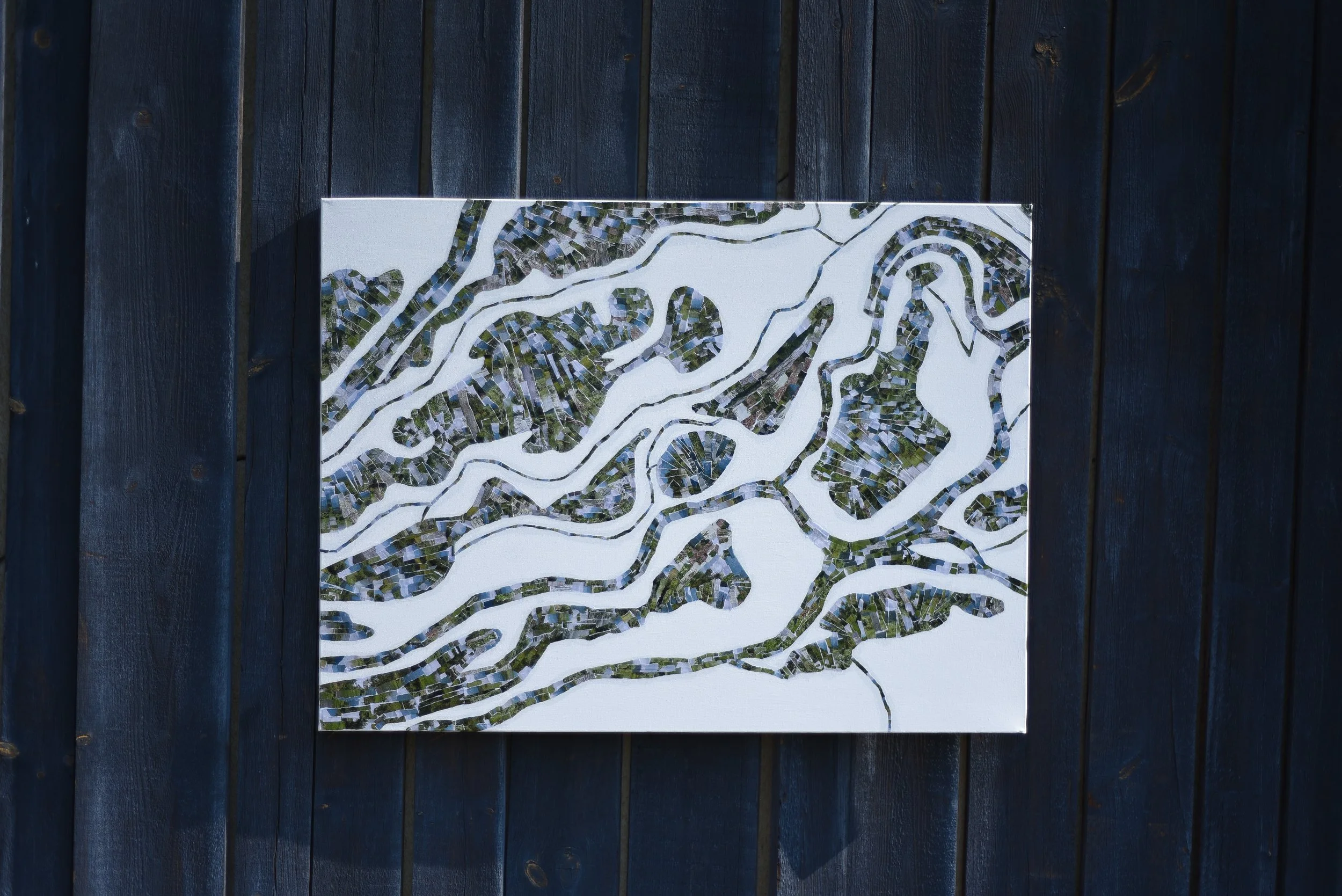
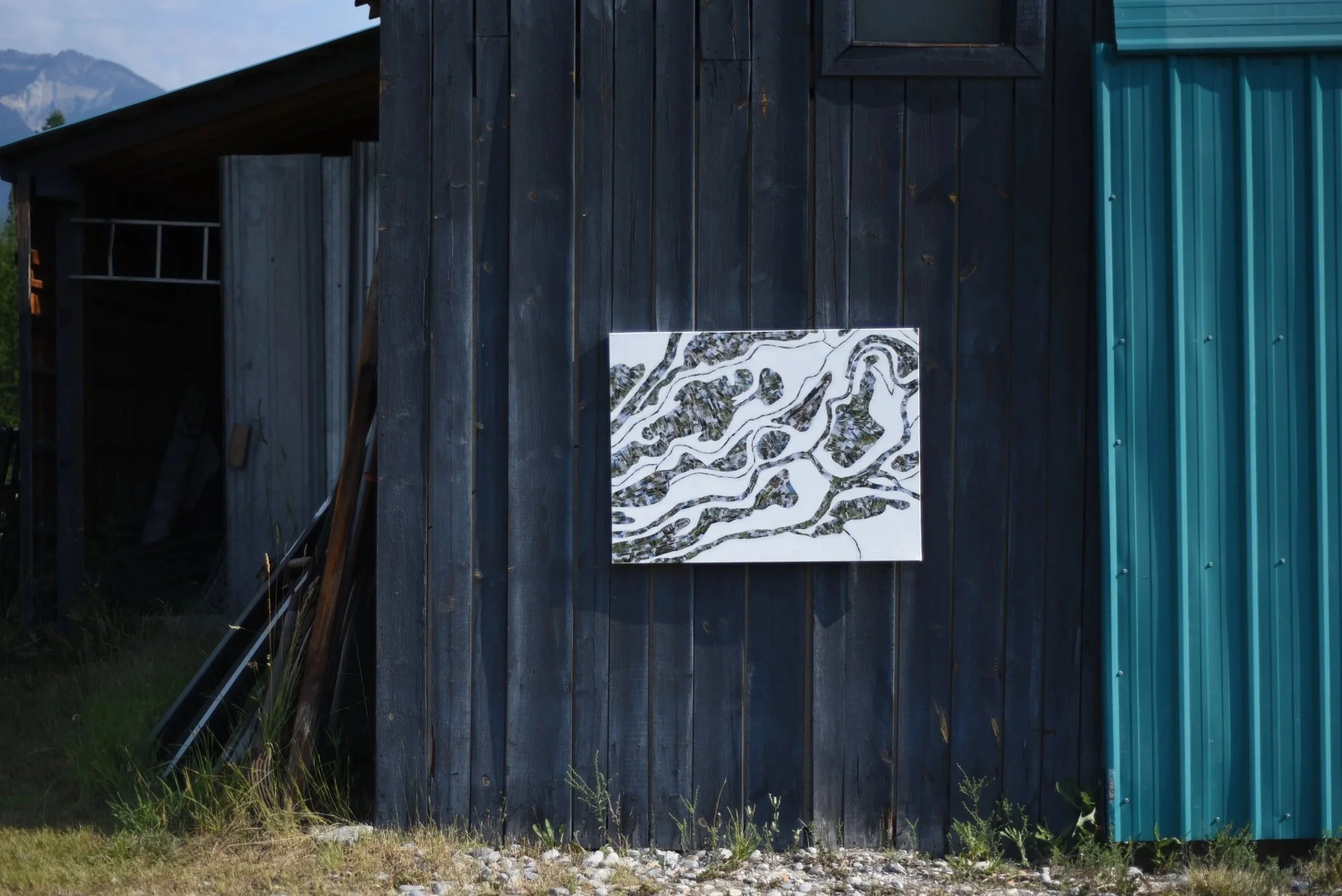
The Shape of Water explores the rivers, wetlands, and landscapes shaped by the movement of water. Using the same photographic tapestry process as Native Waters, these works shift the focus from the species that inhabit a watershed to the landscapes themselves, revealing the subtle relationships between water, land, and the life they sustain.
Cyanotype studies
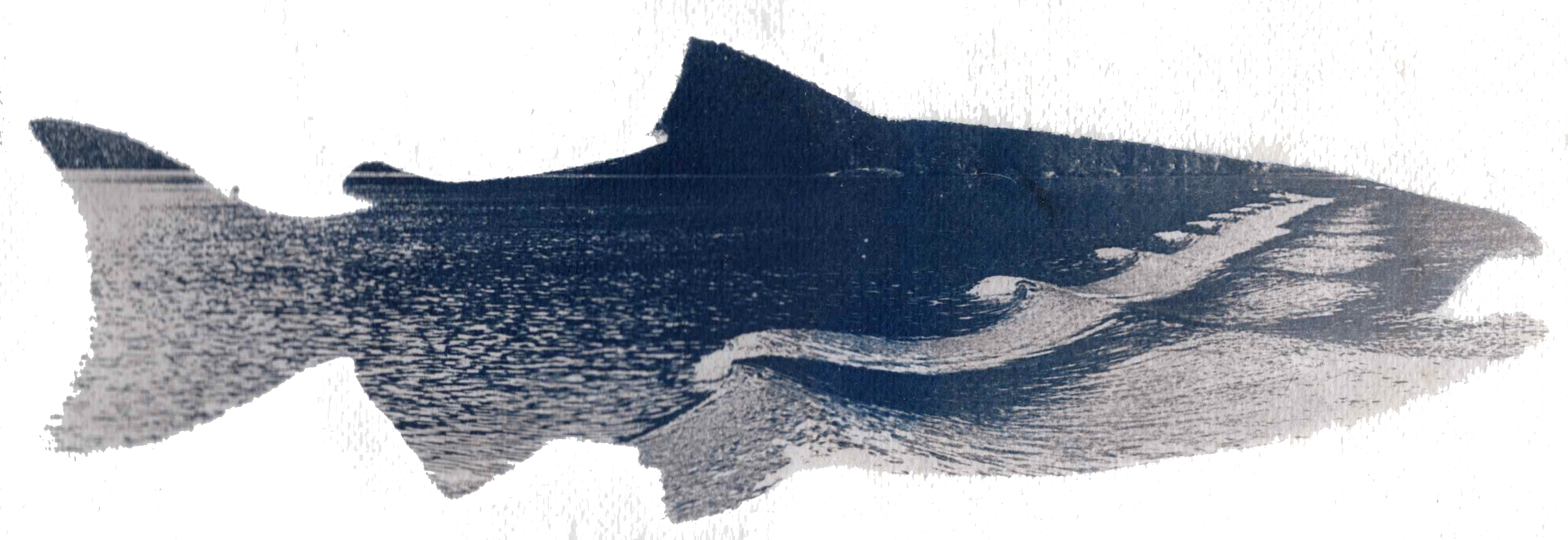
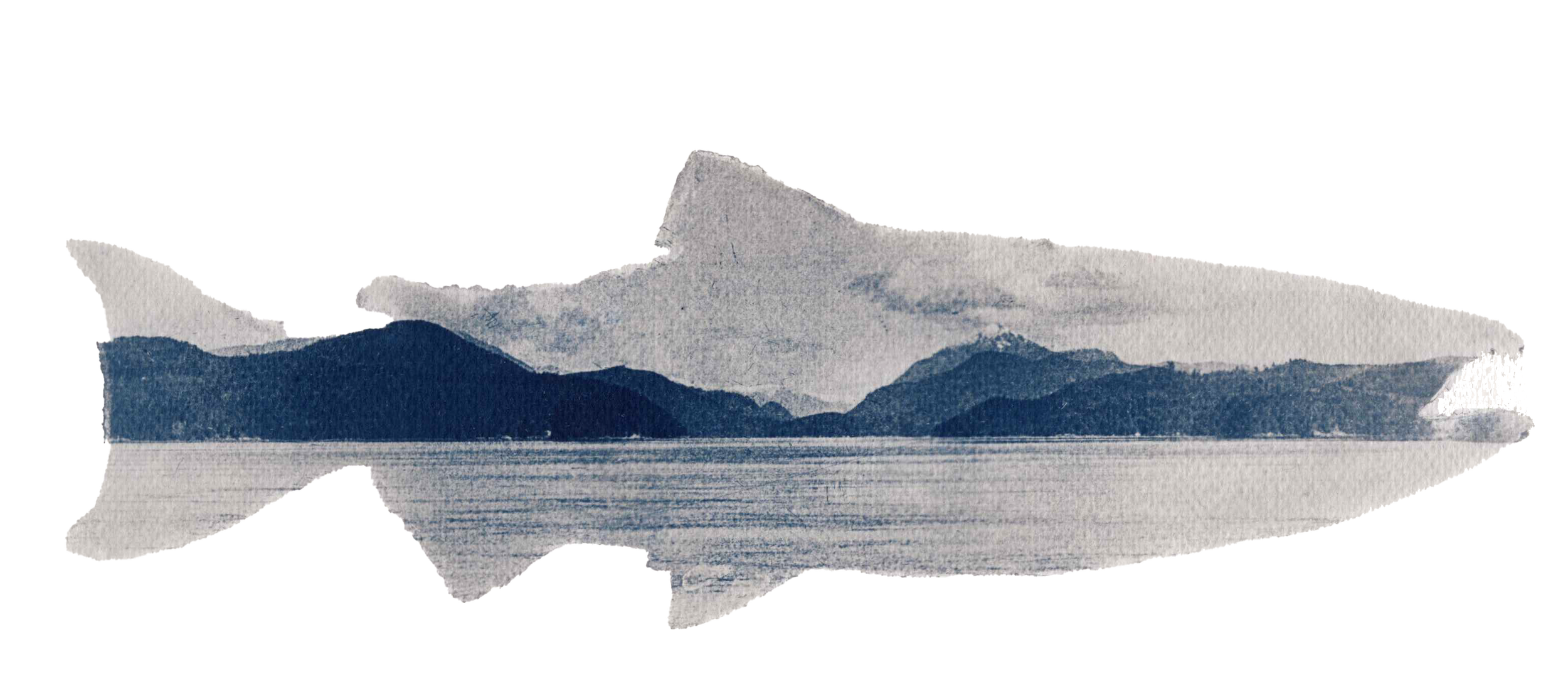
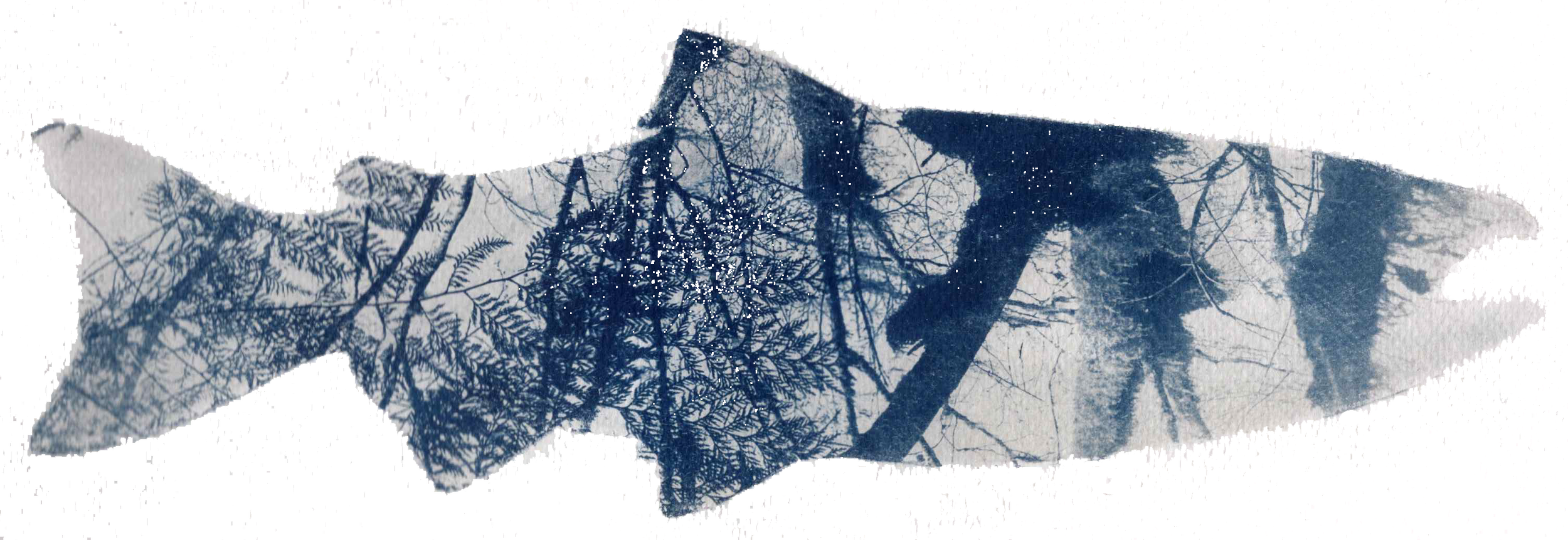
This body of cyanotype work translates watershed documentation into handmade blueprints of native fish species. Using photographs gathered on location across North America, I create layered cyanotypes that are rooted in the specific rivers and regions where each species lives.
This historic process mirrors the fundamental conditions of the environments themselves— sunlight, water, chemistry, and time all contribute to the final image. These prints function both as artistic studies and as a quiet record of place, extending my conservation-focused practice while reflecting the character of each watershed.
Documentary Work
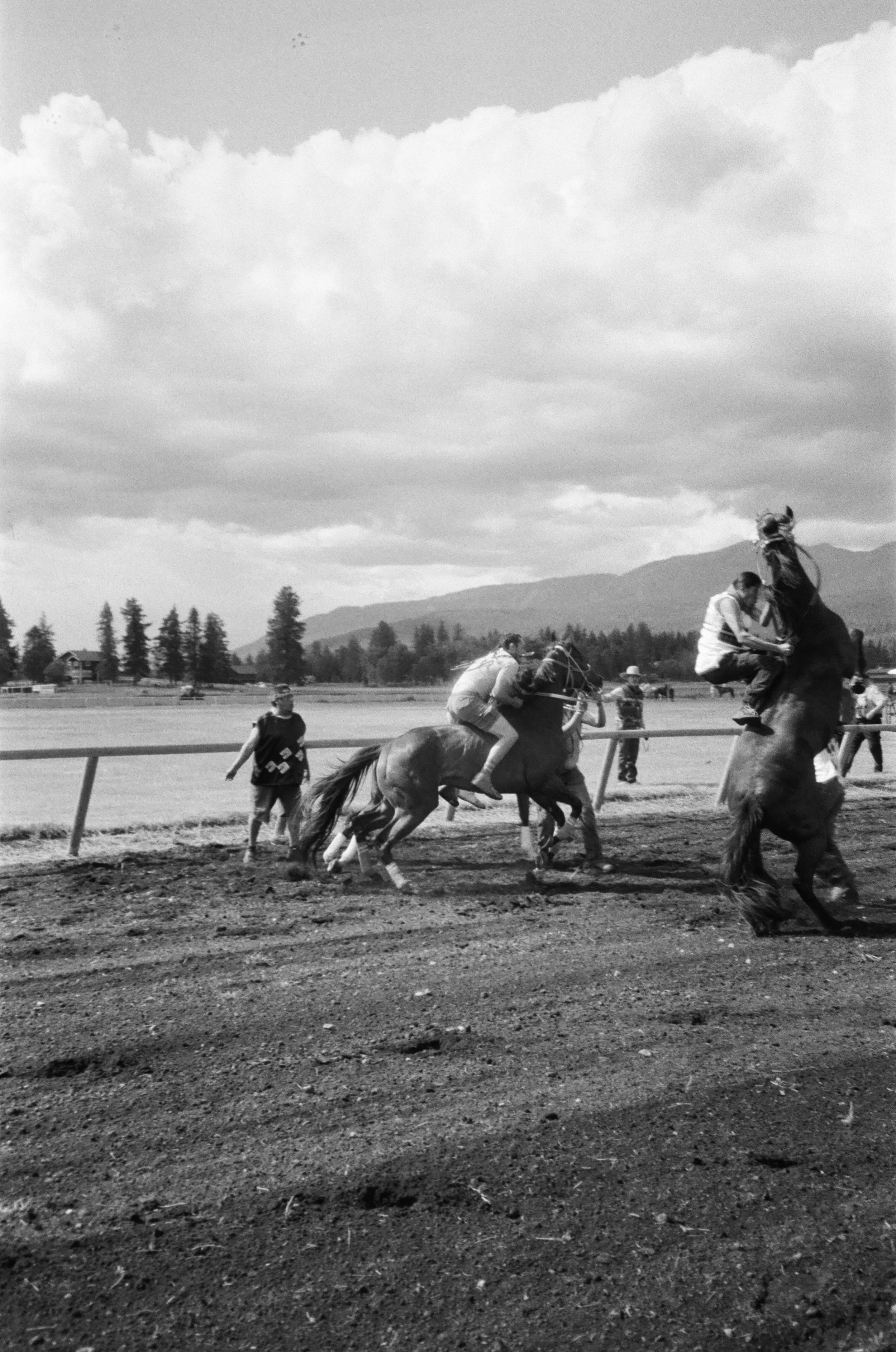
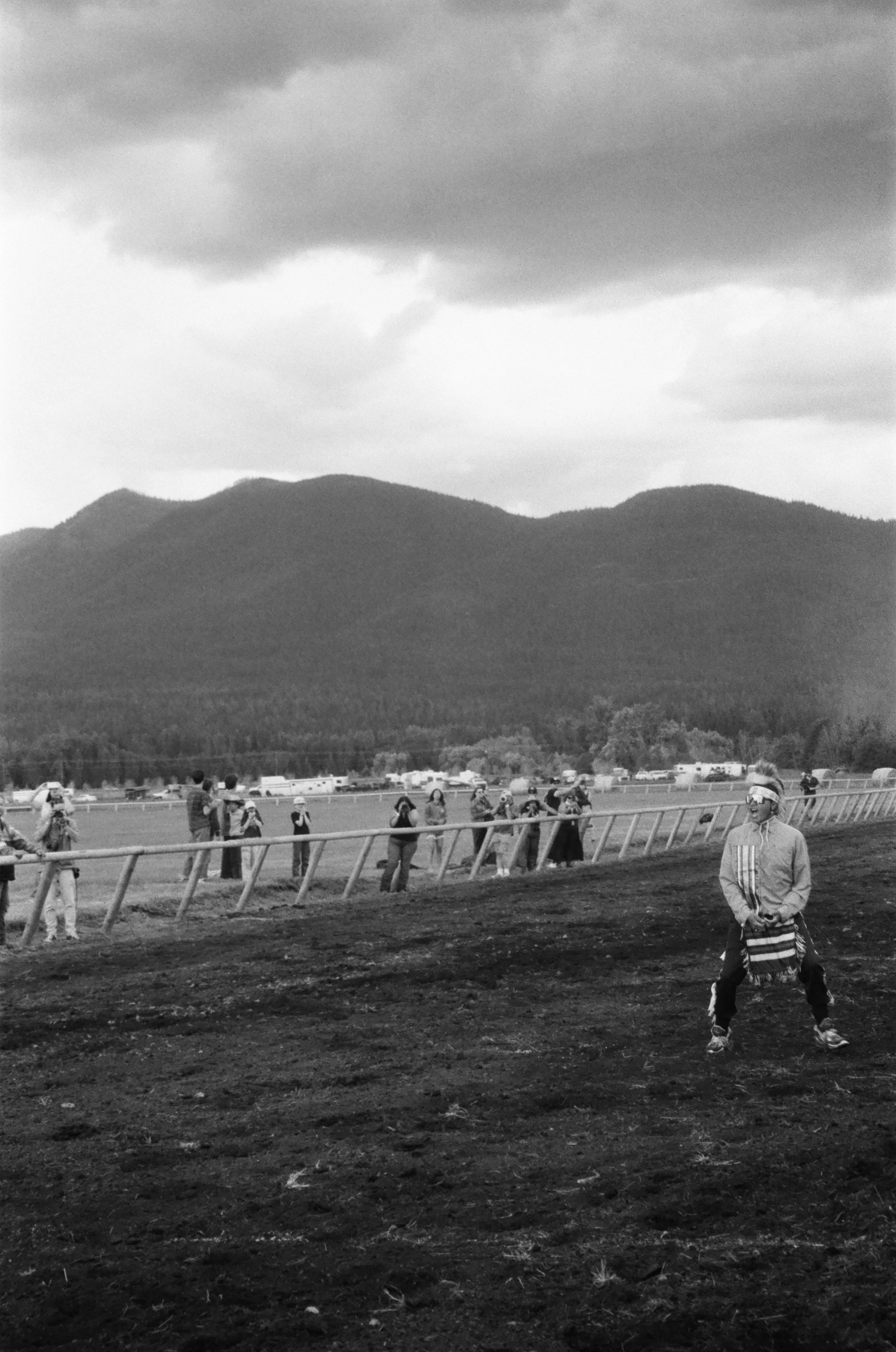
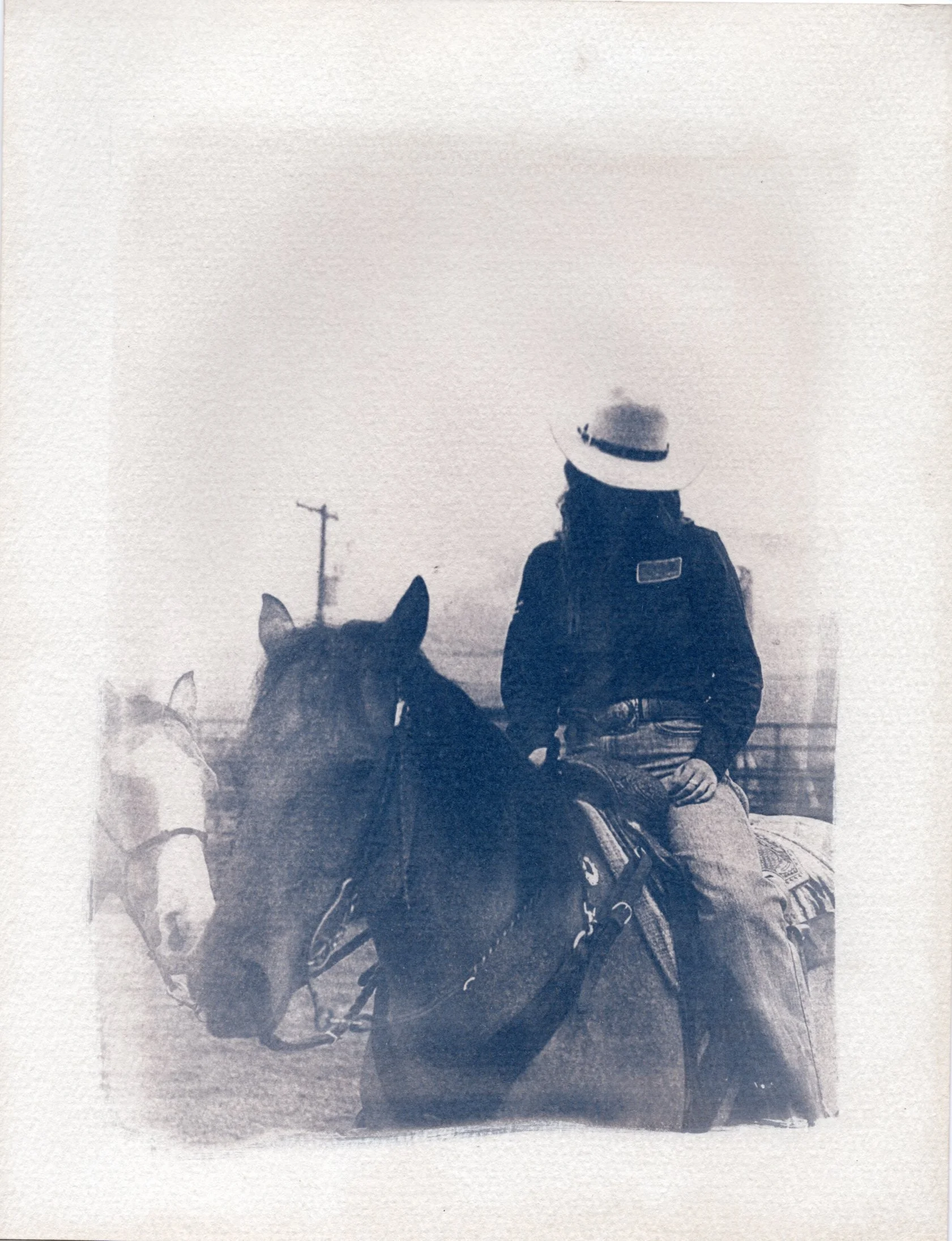
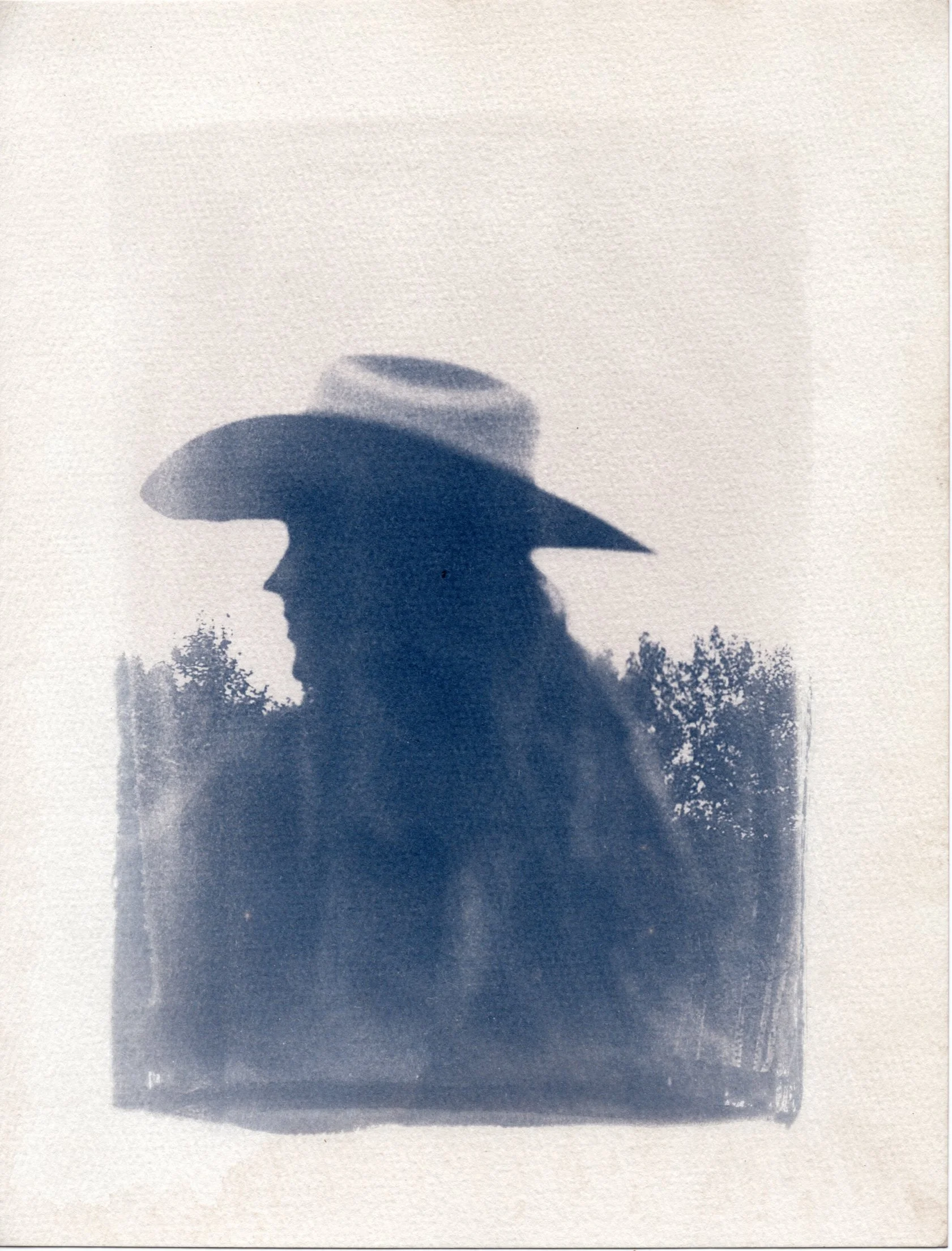
This work is developed through time spent in the field, using a documentary approach shaped by observation, movement, and proximity to place. It follows what unfolds rather than directing it, allowing each body of work to emerge from the conditions in which it is made.
Film is used to document in the field, while cyanotype extends the work beyond the initial image, reworking it through a process shaped by light, time, and environment. Together, they shape how each place is recorded and translated into the final work.